Turkey's 2026 World Cup Ends in the Group Stage
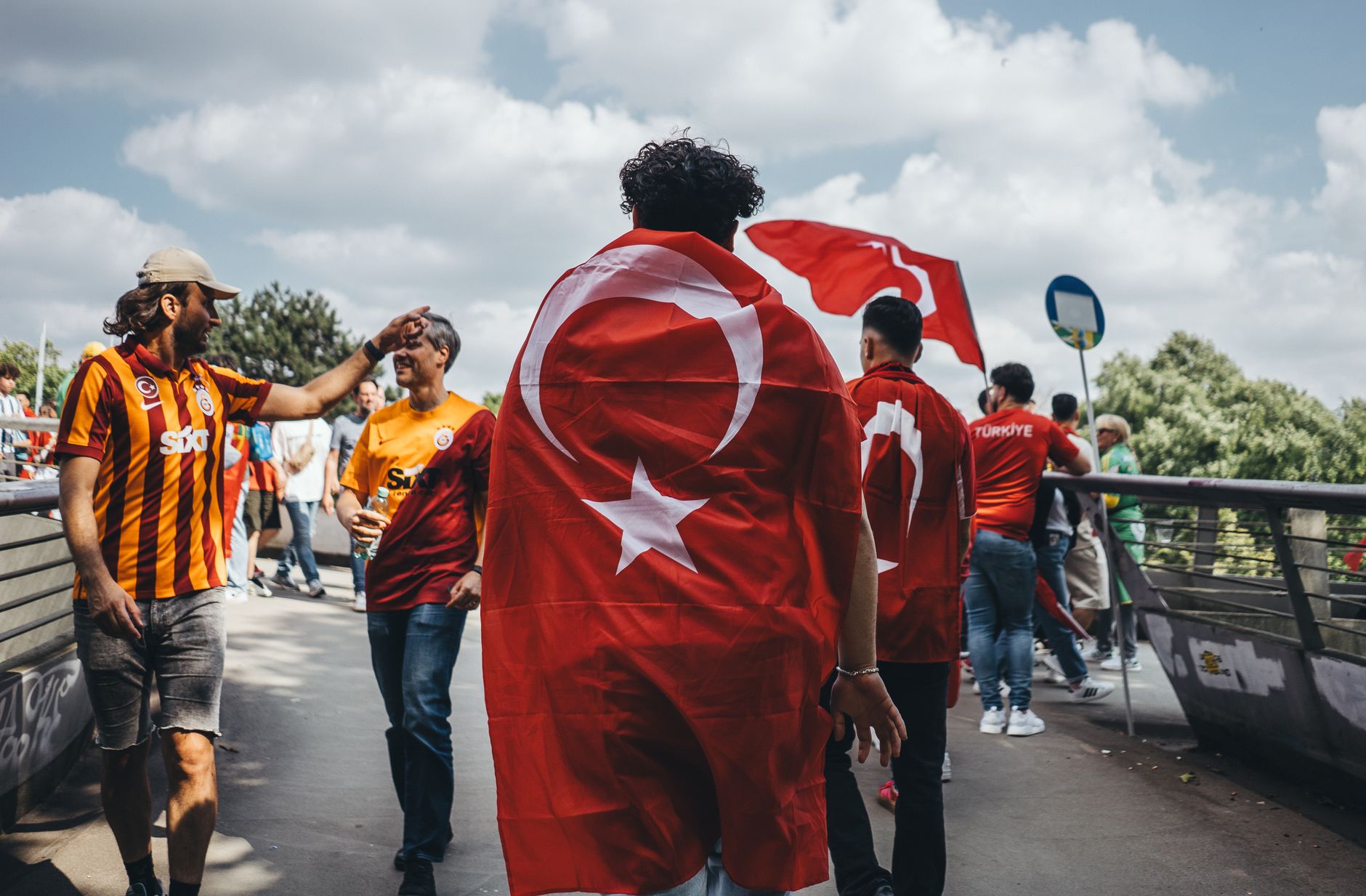
They came back to the World Cup after 24 years and went home on the back of a thrilling win — but without qualification. Vincenzo Montella's Turkey finished bottom of Group D at the 2026 tournament despite a rousing 3-2 victory over hosts USA. For a nation dreaming of echoing 2002, when they reached the semi-finals, an early exit leaves harder questions behind than the joy of that final night.
Turkey's path through this tournament was miscalibrated from the start. The opening 0-2 defeat to Australia set a defensive tone the side never fully corrected. "We know there is still time to recover in the group," Montella said at the time, refusing to let his team be defined by a single result. The trouble was that, in a group where Australia and Paraguay banked the decisive points, the margin for error evaporated quickly.
Then came the night that will paradoxically be remembered as both the finest and the most painful: a 3-2 win over the United States, sealed by a late Kaan Ayhan strike that silenced the American stands. The victory confirmed the team's character, but it arrived too late in the group's arithmetic. Australia, held to a draw by Paraguay in the other game, secured their place in the knockouts, and Turkey — even as winners of the head-to-head with the USA — were left at the bottom, paying for the points dropped across the first two rounds.
The reactions said it all. Arda Güler, the talent the national project is built around, looked for no excuses: "We played badly and were eliminated." It is a rare candour at 21, and at the same time a sign that this generation owns its responsibility. Montella, for his part, issued a firm warning to the federation and his players: returning to major tournaments guarantees nothing if the structure does not become more consistent across a full 90 minutes, rather than in bursts of pride.
There is, though, a warmer reading of this campaign. For the first time since 2002, Turkey were back at the World Cup table, with a young core — Güler, the generation around captain Hakan Çalhanoğlu — and a coach who brought Italian tactical discipline. The gap between being present and being competitive was measured in details: one poor half against Australia, a few minutes of defensive lapses, insufficient finishing of chances. Not a chasm, but an edge.
The real question is not whether Turkey belong at this level — being there confirmed that they do — but whether they can turn flashes of brilliance into consistency. EURO 2028 is the next marker, and this core of players will be at competitive maturity. The lesson from America is being written now: the talent is there, the character is there, but major tournaments are won in the uniformity of the 270 group-stage minutes, not in a single night of catharsis.
Redge AI Perspective
Based on Redge's aggregated group-stage data, Turkey's campaign tells a story of marginal underperformance rather than fundamental inferiority. Our model estimates that, relative to the volume and quality of chances created (cumulative group-stage xG), Turkey's attacking output landed close to expectation in two of three games — the major deviation being the first half against Australia, where expected goals conceded sat well above the team's tournament average.
Redge's Triple AI consensus indicates that the chief vulnerability was not the attack — underlined by the three goals scored against the USA — but defensive variance in the opening 30 minutes of matches. In probabilistic terms, Turkey's profile at this tournament reads as a side with a high Over 2.5 tendency (open play, plenty of transition) and a clean-sheet probability below that of a typical group qualifier. That very imbalance — many goals scored, but also conceded — explains why three points from a win were not enough.
The analytical takeaway is not a verdict but a direction: for the EURO 2028 cycle, recalibrating the opening phase of defensive sequences would move the needle most in the Redge model. The attacking core, with Güler as a creative outlet, remains a solid statistical asset.
Sources
- Tournament reporting: France 24, Newsweek, Türkiye Today
- Quotes: Vincenzo Montella, Arda Güler
- Tactical and statistical context: Redge analysis
Full knockout-stage World Cup analysis at redge.bet/#worldcup.
Image: Omar Ramadan / Pexels