Steve Clarke Steps Down as Scotland Manager
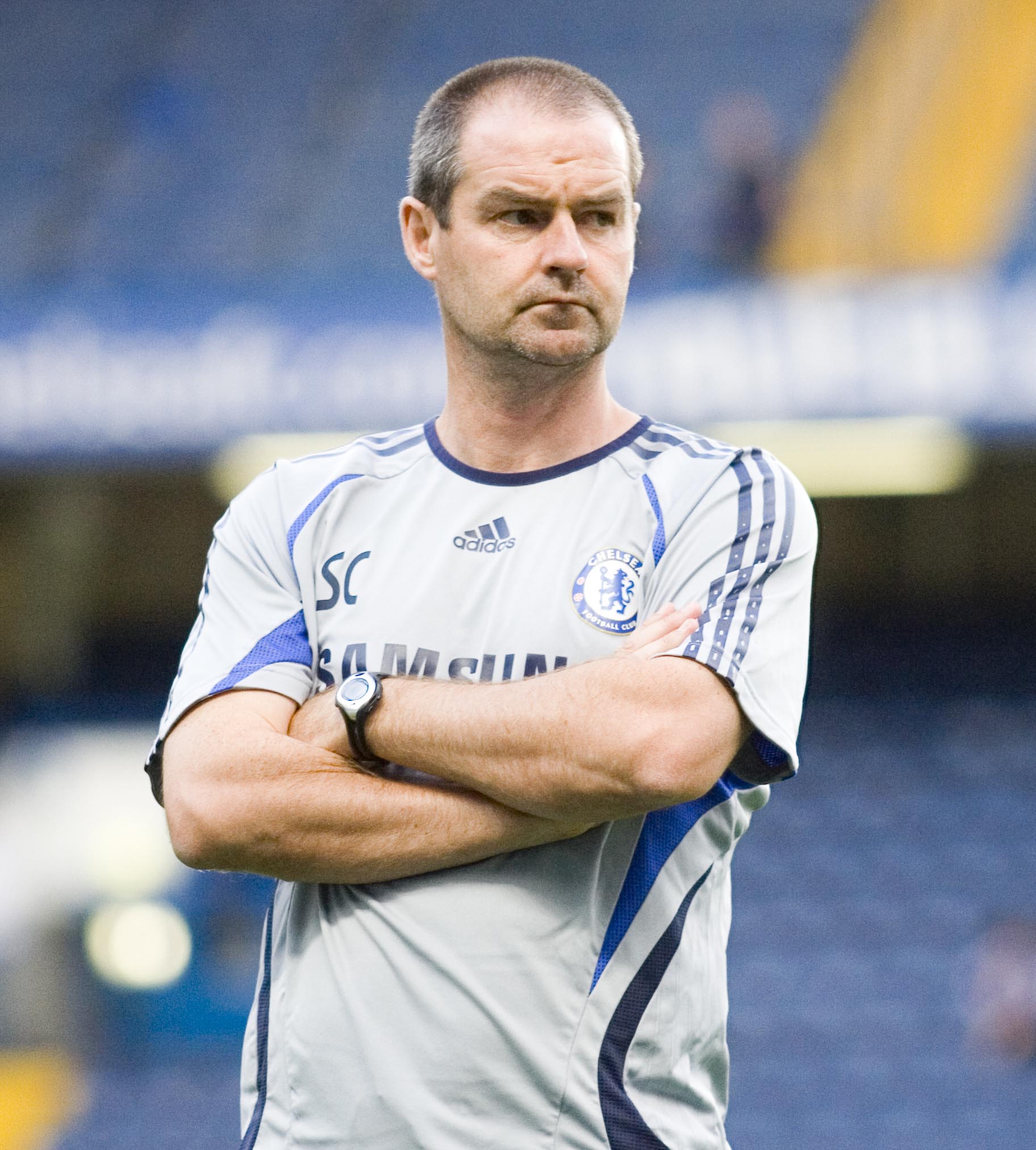
Steve Clarke walked away from the Scotland job within minutes of his side's elimination from the 2026 World Cup group stage being confirmed. The decision, announced by the Scottish Football Association (SFA), ends a seven-year tenure that took Scotland back to major tournaments — and opens a managerial search three months before a new Nations League campaign.
Scotland's fate was sealed on Saturday night. After a 3-0 defeat to Brazil and a 1-0 loss to Morocco, the Tartan Army finished third in Group C with a single win — 1-0 over Haiti — and a goal difference of minus three. Qualification as one of the best third-placed teams was out of their hands, and results elsewhere closed the door. Within an hour of confirmation, Clarke announced he was leaving.
The timing is all the more striking because Clarke had signed a contract extension right before the tournament, a deal that ran through to 2030. Roughly a month after that long-term agreement was announced, he chose to step away — perhaps judging that a seven-year cycle had run its natural course.
The record, though, is remarkable by Scottish standards. Inherited as a Pot 4 side in 2019, Scotland under Clarke ticked off a string of objectives once seen as difficult: qualification for EURO 2020 and 2024, and a place at the 2026 World Cup after topping their qualifying group. Clarke becomes the first manager in Scotland's men's history to lead the nation to three successive major finals — a benchmark his successor inherits as a standard, not an exception.
SFA chief executive Ian Maxwell underlined exactly that progress: "While we are all disappointed to have exited the World Cup at the group stage, we must not lose sight of the undeniable progress made during Steve's seven years in charge. From starting as a Pot 4 team in 2019 to topping our World Cup qualifying group, he has more than delivered on the remit to take Scotland back to a major tournament."
The federation is in no rush. The next competitive fixture is not until 26 September, in the new Nations League (League B) campaign against Slovenia — a three-month window that allows for a considered appointment. Names in early circulation include David Moyes, the Everton manager and the only Scot in a leading Premier League dugout, and Steven Naismith, already part of the set-up as assistant and familiar with the squad.
Redge AI Perspective
Based on competition data aggregated by Redge, the Clarke era turned a modest statistical profile into that of a reliably qualifying side. Redge's internal "points-over-expected" indicator shows Scotland overperforming in qualifying — extracting more points than the xG difference suggested in several decisive games, the signature of a well-drilled, set-piece-efficient team.
For the next cycle, the model recalibrates expectations around the managerial transition. A change on the national bench injects uncertainty into the Nations League estimates: until the first matches under a new staff, the confidence interval on results widens regardless of who is appointed. In probabilistic terms, the defensive solidity that defined Clarke's Scotland does not transfer automatically — it depends on continuity of playing principles, not just personnel.
The analytical takeaway is a reset of parameters, not a prediction. Redge will re-baseline its Scotland model once the successor is named, watching whether the new staff retains the set-piece solidity that was the hallmark of the Clarke years.
Sources
- Official confirmation: SFA (Scottish Football Association), Ian Maxwell statement
- Reporting: ESPN, Sky Sports, TNT Sports
- Statistical context: Redge analysis
Knockout-stage and European national-team analysis at redge.bet/#worldcup.
Image: Google Images (via SerpApi)